
Clonakilty eco house

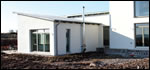
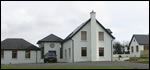
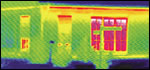
A new house in west Cork offers a green vision for the future of Irish home building: not only is it A-rated, airtight and highly energy efficient, it’s built with ecological materials that are manufactured in Ireland too.
Welcome to the archive of Construct Ireland, the award-winning Irish green building magazine which spawned Passive House Plus.
The feature articles in these archives span from 2003 to 2011, including case studies on hundreds of Irish sustainable buildings and dozens of investigative pieces on everything from green design and building methods, to the economic arguments for low energy construction.
While these articles appeared in an Irish publication, the vast majority of the content is relevant to our new audience in the UK and further afield. That said, readers from some regions should take care when reading some of the design advice - lots of south facing glazing in New Zealand may not be the wisest choice, for instance.
Dip in, and enjoy!

A new house in west Cork offers a green vision for the future of Irish home building: not only is it A-rated, airtight and highly energy efficient, it’s built with ecological materials that are manufactured in Ireland too.

An advocate of sustainable building long before it was fashionable, Bill Quigley of NuTech Renewables has subsequently seen the mainstreaming of sustainability at first hand, having input into substantial projects for Leahy Bros, MKN and GEDA Construction amongst others. In their latest project, NuTech are working with Wicklow County Council on a social housing scheme with impressively high energy performance targets to meet, as Quigley explains.
With the publication earlier this year of three reports on drinking water quality, urban waste water discharges, and implementation of the phosphorous regulations, the EPA’s Office of Environmental Enforcement(OEE) has presented an overview of water management by local authorities in Ireland. Presented as a package of reports, they paint a picture of how local authorities are doing in relation to the management of water resources in the country. Construct Ireland’s Jeff Colley speaks to Doctor Matt Crowe, Programme Manager of the OEE on the state of national water quality.


SEAI recently proposed a series of changes to Deap — the software tool used to calculate BERs — including a reduction in its primary energy factor. But while this will benefit electrically-powered heating devices, some in the industry still feel systems such as heat pumps are disadvantaged by Deap and the BER system

Thanks to the ESCo model, one school in Donegal has gone green, seen its heating bills reduced by 15% yet has not had to outlay one cent in capital expenditure. John Hearne investigates an emerging trend that is bringing low carbon energy into another realm.

There are surprisingly few truly iconic buildings, structures that dominate their environs, not to mention the country's intellectual landscape. Halla Chontae Chorcai, Cork County Hall, is one such building. Construct Ireland's Jason Walsh visited to find out about the building's environmental credentials.

A new development in County Westmeath answers a nagging question about district heating: how to make it financially viable when it services energy efficient buildings. Lenny Antonelli visited a housing estate that combines low energy design with an innovative district heating system and ecological timber frame construction

Brian Dowd, ESB’s products and services manager, talks about the company’s new energy strategy and the launch of the next phase of their Halo programme.

Earlier this year constructireland.ie broke the news of the introduction of the pilot Home Energy Saving Scheme, a new grant funding programme designed to stimulate the en masse refurbishment of Ireland’s poorly performing existing housing stock. John Hearne travelled to one of the pilot areas to see how the scheme is working on the ground, and discover how the scheme is developing.