Warning
  • JUser: :_load: Unable to load user with ID: 457

From the Construct Ireland archives


Welcome to the archive of Construct Ireland, the award-winning Irish green building magazine which spawned Passive House Plus. The feature articles in these archives span from 2003 to 2011, including case studies on hundreds of Irish sustainable buildings and dozens of investigative pieces on everything from green design and building methods, to the economic arguments for low energy construction. While these articles appeared in an Irish publication, the vast majority of the content is relevant to our new audience in the UK and further afield. That said, readers from some regions should take care when reading some of the design advice - lots of south facing glazing in New Zealand may not be the wisest choice, for instance. Dip in, and enjoy!

Taking Part

0310-TakingPartTITLE.jpg
Based on past form, the Department of the Environment officials could be forgiven for bracing themselves for a construction industry backlash in response to the proposed changes for Part L of the building regulations which aim to both improve energy efficiency and reduce carbon emissions by 40%, whilst also introducing mandatory renewable energy and air tightness requirements. Jeff Colley outlines why, for reasons of self interest alone it’s very much in the industry’s interests to embrace the new regulations rather than attempt to resist change.

Murky Water

Waste Water
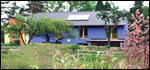
One thing householders don't want to fail is their wastewater treatment system – the pollution, the health hazard, the cost and not least the embarrassment factor are all potentially serious. And yet, one wastewater treatment system provider says that such failures are very likely. As Jason Walsh asks, is he right?

Passive assessment

Passive Assessment
Built in 2004, Tomás O’Leary's house in Wicklow was the first in the country to be certified by the Passive House Institute — but how would it fare when subjected to a BER assessment six years later?

Opinion

Opinion
If you’re not assessing the environmental performance of your suppliers and their products, it’s rapidly becoming a case of “caveat emptor”. Many of the world’s biggest companies are now buying green, and the Irish government is about to follow suit. Ignore the issue and you put your company at a competitive disadvantage, argues Brian O’Kennedy, managing director of Clearstream Solutions

Early Developer

0304-earlydevelopertitle.jpg
In September, Sustainable Energy Ireland launched a major energy efficient housing development in Tuam, Co Galway. Houses in the development are over 70% more energy efficient than houses built to standard Building Regulations requirements. Construct Ireland’s John Hearne describes.

Critical mass

Critical Mass
Thermal mass can significantly influence a building’s space heating requirement – in some cases the effect is to increase it, and in others to reduce it. Leading energy consultant Ciaran King of Emerald Energy explains how this occurs, and by describing an assessment of the topic, provides some rules of thumb regarding when thermal mass may be beneficial, and when it may be detrimental.

21st century Victorian

Antrim house combines traditional look with eco cutting edge
Just outside the quiet rural town of Templepatrick, County Antrim, located ten miles north of Belfast, is a timber frame house that sets new standards for comfort and, the owners hope, sustainability. Jason Walsh visited the house and found a traditional aesthetic that belies its ultra modern sustainability features

Dublin Civic Trust

A cursory browse through Dublin Civic Trusts website and one is all too quickly reminded of the constant threat to our Architectural heritage

Opinion

0502-Opinion-SMALL.jpg
Ambitious companies in the Irish sustainable building sector should look to the US, says Century Homes founder Gerry McCaughey. As chief executive of LA-based green building business consultancy Infineco, McCaughey is witnessing first-hand how the land of opportunity is waking up to green construction.

Smart Growth

0212smartgrowthtitle.jpg
With an economy fuelled by a government approach to planning that many people equate to a road building and house building free for all, it should come as no surprise that quality of life suffers